


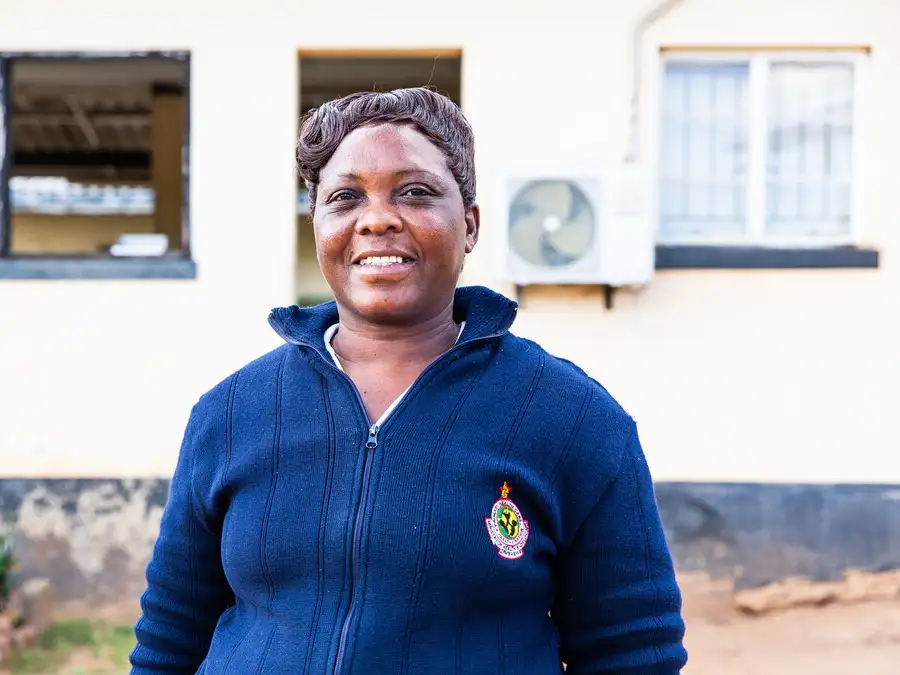

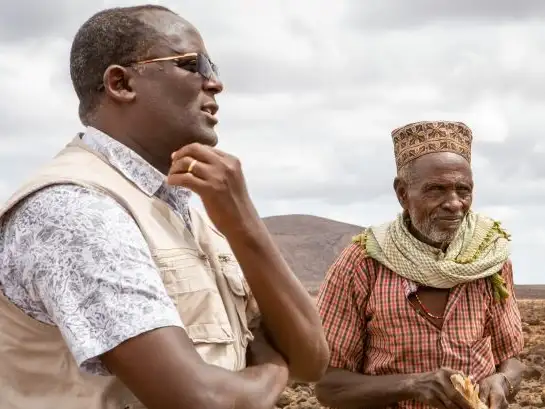



Your support means that faith leaders can respond in their communities, where they are dispelling myths and making sure our neighbours understand how the Ebola virus is transmitted, how it is treated and how to prevent infection
Your support means that faith leaders can respond in their communities, where they are dispelling myths and making sure our neighbours understand how the Ebola virus is transmitted, how it is treated and how to prevent infection
Our neighbours in Democratic Republic of Congo (DRC) are suffering through an Ebola outbreak, with 536 suspected cases and 142 deaths already from this very dangerous disease.
CAFOD and local Church partners are working to contain the Ebola outbreak.
Give now to stop the spread and save lives.
CAFOD is committing emergency funding and is working through trusted local Church partners to help communities fight the spread of the disease.
Your donation will help our partners provide:
life-saving prevention information
hygiene kits and food to quarantined and vulnerable families
safe and dignified burials and training
outbreak prevention kits
With no vaccine currently ready for deployment, we have a vital, narrow window of opportunity to contain the virus. Donate today to stop the spread.
The Ebola virus outbreak was declared on 15 May 2026. As of 21 May there have been 536 suspected cases and 142 deaths reported.
Ituri province, in the north-east of the country, is the epicentre of the outbreak. But the virus has crossed into neighbouring North and South Kivu provinces, including the major transit hub of Goma.
Cross-border transmission has also been verified, with two cases identified in Kampala, Uganda, from individuals travelling from the DRC. To halt further spread, containment measures and border closures are now in effect.
The next few weeks of containment and community engagement will be critical in bringing the outbreak under control. CAFOD has committed funds to send to our trusted, local, Church partners so they have the essential support they need to act now.
In many parts of the DRC, the Catholic Church is one of the most trusted providers of healthcare and operates an estimated 45% of the country’s health facilities.
Faith leaders will play a key role using their established community trust and previous experience with Ebola outbreaks to ensure communities are properly engaged and behaviour change recommendations are followed.
As Bishop Théophile Kaboy of Goma said during the previous outbreak, “the involvement of faith groups … remains among the best weapons for convincing the people to adopt good practices.”
CAFOD’s Church partners are deeply rooted in their communities, and have access to remote or conflict-affected areas where other organisations, or even government health officials, struggle to enter.
These dedicated local volunteers are on the ground right now, working tirelessly to build trust and reduce the number of new infections in their communities.
CAFOD’s partners have experience responding to Ebola outbreaks. When the World Health Organization (WHO) declared an Ebola outbreak in Democratic Republic of Congo (DRC) in 2018, CAFOD responded at the height of the disease. Thanks to donations from CAFOD supporters, our networks of Church aid workers and volunteers delivered life-saving prevention information and hygiene kits as well as safe and dignified burials and training.
CAFOD Director Christine Allen was in DRC during the previous outbreak of Ebola there. She told us:
"I've seen first-hand that halting the spread of this appalling disease requires a massive effort, on the part of the international community as well as the Congolese people and health authorities. What is critical is building trust within communities, meaning that the work of our local Church partners is essential."
Your donation today means we can quickly respond to the new outbreak.
The Ebola virus disease is a severe acute viral illness. Its symptoms include:
fever
intense weakness
muscle pain
headache
sore throat.
This is followed by vomiting, diarrhoea, rash, impaired kidney and liver function, and, in some cases, both internal and external bleeding.
The Ebola virus first emerged in Democratic Republic of Congo in 1976 and it is thought to infect humans through contact with infected animals, including chimpanzees, fruit bats and forest antelope.
There are different strains of Ebola. The current strain identified in DRC is caused by the Bundibugyo virus and has no vaccine.
The most commonly used treatment is to keep the patient hydrated, as is the case with most fevers. Patients have a better chance of survival if they are diagnosed early and receive early treatment.
The virus is transmitted between humans via bodily fluids and via surfaces that a sick person has come into contact with: for example, bed sheets or shared towels. Even funeral ceremonies for Ebola victims can cause risks if mourners have direct contact with the bodies of infected people.
By following a few important procedures, the spread of the Ebola virus can usually be stopped relatively easily. Patients need to be kept in isolation, and their nurses or visitors must wear protective suits or avoid coming into direct contact with them.
One reason that the virus has previously spread so extensively in parts of Africa is a widespread fear and lack of trust in the advice given on Ebola prevention. Many people don’t have access to reliable information, and high death rates and stigmatisation make people afraid to take their loved ones to hospitals, even if medical facilities are available.
